Article
How to Build a Reselling Business That Lasts: Lessons from Mike Rice
From flea markets and retail arbitrage to liquidation, live sales, and rental property. Mike Rice on pivoting before the market makes you.
 Zac Montgomery

How to Build a Reselling Business That Lasts: Lessons from Mike Rice
From flea markets and retail arbitrage to liquidation, live sales, and rental property. Mike Rice on pivoting before the market makes you.
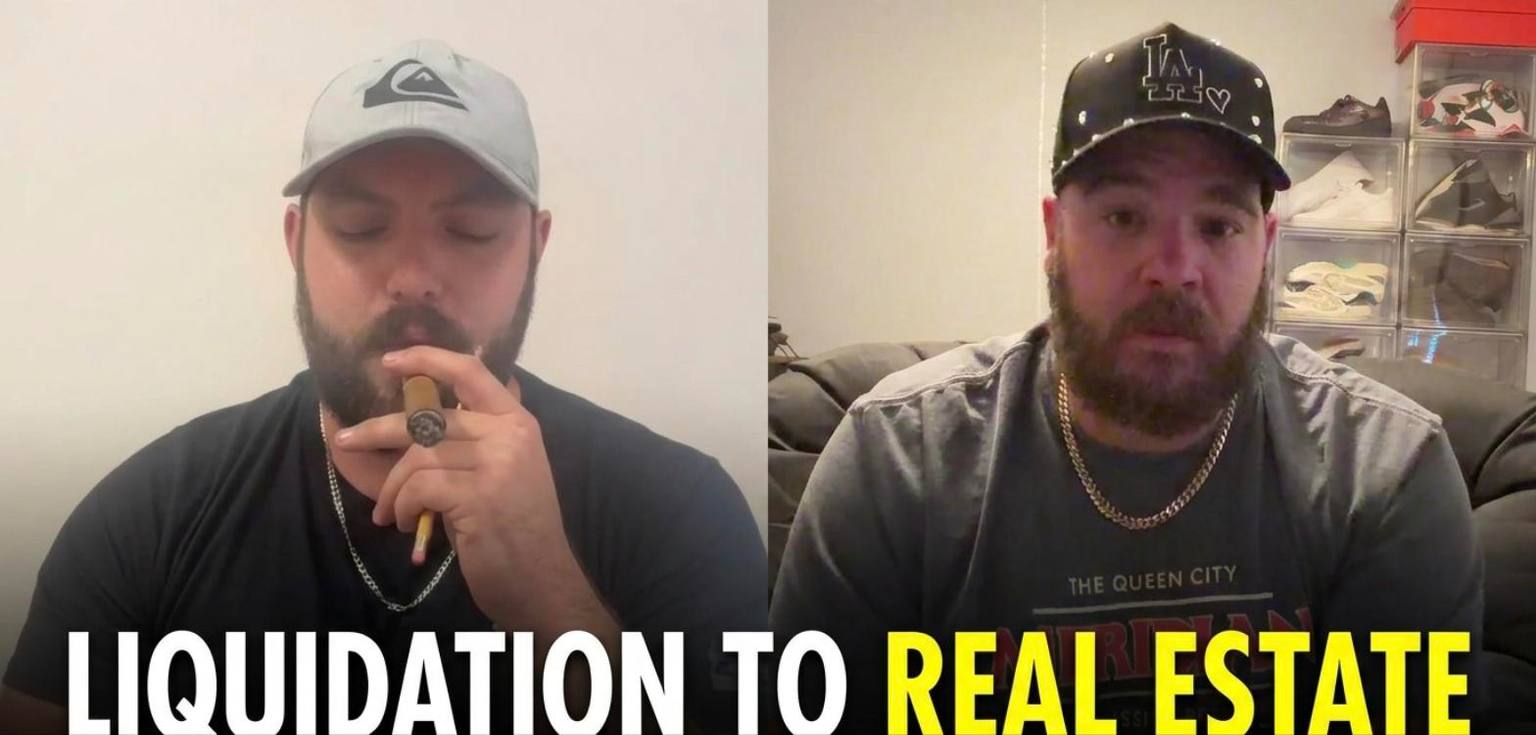
If you have ever wondered whether liquidation is still worth it, or whether you should keep grinding your side hustle until it becomes your full-time income, this conversation with Mike Rice is packed with real answers. Mike built a business from flea markets, weekend retail arbitrage, and liquidation, then kept evolving as the market changed.
What stands out most is not just how he made money, but how he kept adapting. He moved from Amazon and eBay to live sales, from truckloads to wholesale, and from reselling into real estate when he wanted more stability.
The Mindset That Built the Business
Mike's story starts the way a lot of resellers' stories do, with a regular job, a little frustration, and a lot of curiosity. He was making a solid paycheck, but he kept asking the same question: Is this really it? That question pushed him into side hustles first, then into a full-on business.
What matters here is that he did not wait for the perfect moment. He started with what he had:
- Candy sales at school
- Flea market booths
- Yard sale flips
- Weekend retail arbitrage
- Liquidation and truckloads
That early willingness to try things mattered more than any one product category. The business was never about being perfect. It was about being willing to move when the opportunity changed.
Mike also made a point that a lot of resellers need to hear: success usually looks like persistence, not genius. If you are trying to get into liquidation or reselling, the question is not, "What's the one perfect load I should buy?" The better question is, "Am I willing to keep learning when the first version of my plan stops working?"
Why betting on yourself matters
Mike was very direct about one thing. If you are a hustler, you will probably never stop hustling. The real choice is whether you want that effort to build your business or somebody else's.
That mindset shows up in a lot of his decisions:
- He left a stable job when the numbers made sense
- He pivoted when Amazon changed
- He kept leaning into what was working
- He built businesses that could survive outside of one platform
The industry will change, but your adaptability is the real asset.
Why Liquidation Worked So Well for Him
Mike is not sentimental about platforms. He used Amazon when it was profitable, used eBay when it made sense, and moved on when the economics changed. That is one reason his business stayed alive when other people got stuck.
His liquidation business grew because liquidation gave him what most resellers want:
- Access to cheap inventory
- Enough variety to keep selling
- Room to move fast
- Opportunities to scale into wholesale and live selling
He explained that the business eventually shifted away from pure truckloads and more into clean case packs, wholesale, Whatnot, and Facebook Live. That shift is important. A lot of new sellers think liquidation only means giant messy truckloads. Mike's model shows that liquidation can be more flexible than that.
He also pointed out something many people overlook. You do not always need to be in every channel. He is not shipping to Amazon and eBay anymore. Instead, he focuses on the channels that fit his business now. That is a smart move, not a limitation.
The Real Problem Is Not Inventory, It Is Stagnation
One of the strongest themes in Mike's story is that inventory alone does not build a business. You need movement.
He talked about getting stuck with products that sold better elsewhere, needing to open new channels, shifting from retail arbitrage to wholesale, and using live selling to move product faster.
That last part is especially important. When product sits, it costs money. It ties up cash, space, and attention. Mike's philosophy was simple: if it is not moving, figure out how to move it.
The goal is not to own product. The goal is to turn product into cash.
The Pivot That Changed Everything
A big part of this conversation was about pivoting, not once, but over and over again. Mike moved through several stages:
- Regular job
- Side hustle flipping
- Amazon and eBay
- Liquidation truckloads
- Auctions and live selling
- Wholesale and local resale
- Real estate and rentals
That progression is what a real business often looks like. It is rarely a straight line. It is a series of adjustments based on what is working now.
Mike's advice was clear. If you are a hustler, you will find a way. But if you are holding on too tightly to the first model you ever learned, you may be limiting yourself.
What to pivot toward
If you are in liquidation or reselling and things feel harder than they used to, ask yourself:
- Can I sell through a different channel?
- Should I move from retail to wholesale?
- Can I add live selling?
- Should I focus on local buyers?
- Is it time to diversify into another asset?
Mike's answer was not quit. It was adapt. That difference matters.
Why Side Hustles Sometimes Hold People Back
Mike also said something many full-time sellers quietly agree with. The people who struggle the most are often the ones trying to do this while still emotionally attached to a job.
That does not mean everyone should quit tomorrow. But it does mean your energy has to be aligned with your goals. If you want your business to grow, it probably needs your full attention, or at least a serious commitment.
The bigger point is that reselling rewards action. If you keep treating it like a maybe, it will probably stay a maybe.
How Real Estate Became the Stability Play
One of the most interesting parts of Mike's story is how he used liquidation money to get into real estate. He is not trying to abandon reselling. He is using it to create more stability.
He owns a warehouse for his business, a trailer park, rental properties, short-term rentals, and other commercial and mixed-use spaces.
That matters because it changes the pressure level. When you have assets producing income outside of your day-to-day sales, you get more breathing room. You do not have to make every liquidation deal work. You can be more selective.
Mike shared a great example of this. He bought an old house, fixed it up with materials sourced from liquidation, and later sold it for a strong profit. Then he rolled that into other properties. Buy cheap inventory, convert it into cash, then convert some of that cash into assets.
Liquidation can support real estate, too
Mike showed how liquidation and real estate can actually support each other. He used liquidation-sourced materials to renovate a house, improve rental units, upgrade finishes, and add value that would have cost much more at retail.
That means liquidation is not only a business model. It can also become a supply chain for your other investments. If you own rentals, short-term rentals, or even a home you plan to improve, sourcing materials through liquidation can lower your costs and raise your margins.
The Human Side: Staff, Tenants, and Standards
One of the most honest parts of the conversation was about people. Mike and Zac both talked about staffing issues, contractors not showing up, and the constant challenge of relying on others.
That is part of growth nobody talks about enough. The bigger you get, the more your business depends on good employees, reliable contractors, responsible tenants, clear systems, and strong boundaries.
Mike's solution was not to expect perfection. It was to build systems and create buffers. In real estate, that meant hiring a property manager. In liquidation, it meant keeping strong core staff and not letting every small issue become a crisis.
He also made a thoughtful point about tenants. If people are good tenants, take care of them. That may mean adjusting rent timing, being flexible when it makes sense, or fixing something quickly so they feel respected. That does not mean you ignore your own responsibilities. Kindness should not turn into chaos. There has to be a line.
Content, Credibility, and Building Trust Online
The last big topic was content, and this is where Mike's story gets especially useful for modern resellers. He did not start creating content because he wanted to be an influencer. He started because it was a cheaper and more effective form of local advertising.
He built traction by showing deals, posting consistently, using Facebook and TikTok, sharing inventory in a real unscripted way, doing giveaways and live sales, and staying visible in his local market.
The big lesson here is that content does not need to be polished to work. It needs to be consistent and useful. Mike said the more he tries to force the content, the worse it performs. But when he just shows what he is selling and stays himself, it works.
That is good news if you are not a natural performer. You do not need to become someone else. You need to document what you already do well.
Why trust beats hype
Mike also talked a lot about honesty in liquidation. Buyers remember when they get burned, and they remember when a seller is straight with them. In a business full of vague listings and exaggerated claims, honesty becomes a competitive advantage.
If you are sourcing or selling inventory, ask yourself:
- Am I describing this load honestly?
- Am I helping the buyer understand what they are getting?
- Am I trying to make a quick buck or build a repeat customer?
- Would I buy this if the roles were reversed?
That kind of transparency is how you build repeat business.
Frequently Asked Questions
Is liquidation still worth getting into?
Yes, if you treat it like a real business and not a shortcut. Liquidation can still provide low-cost inventory, but success depends on sourcing wisely, moving product quickly, and adapting when one channel slows down.
Should I quit my job to start reselling full time?
It depends on your risk tolerance and your results. Mike's view is that hustlers eventually need to commit, but not everyone should jump blindly. If your side hustle is already producing consistent income, it may be time to go all in or at least make a serious transition plan.
What is the best way to start reselling with limited money?
Start small and stay flexible. Look for low-cost inventory, free items, local flips, and liquidation opportunities that match your budget. The goal early on is to learn how to buy and sell consistently, not to buy the biggest load possible.
How can I use liquidation profits to build wealth?
One strong approach is to reinvest some profits into assets like real estate. Mike used liquidation money to buy properties, improve rentals, and create income streams that are less dependent on daily sales.
Do I need social media to grow a reselling business?
Not necessarily, but it helps a lot. Social media can work as free advertising, especially for local buyers and live sales. The key is to stay consistent and show real inventory in a way people can trust.
No comments yet. Be the first to share your thoughts!