Article
How to Succeed in Liquidation: Lessons from Ray Tautic on Contracts, Bin Stores, and Whatnot
Ray Tautic of Excess for Less has built and rebuilt several models. Here is what direct contracts, bin stores, and live selling actually cost.
 Zac Montgomery

How to Succeed in Liquidation: Lessons from Ray Tautic on Contracts, Bin Stores, and Whatnot
Ray Tautic of Excess for Less has built and rebuilt several models. Here is what direct contracts, bin stores, and live selling actually cost.
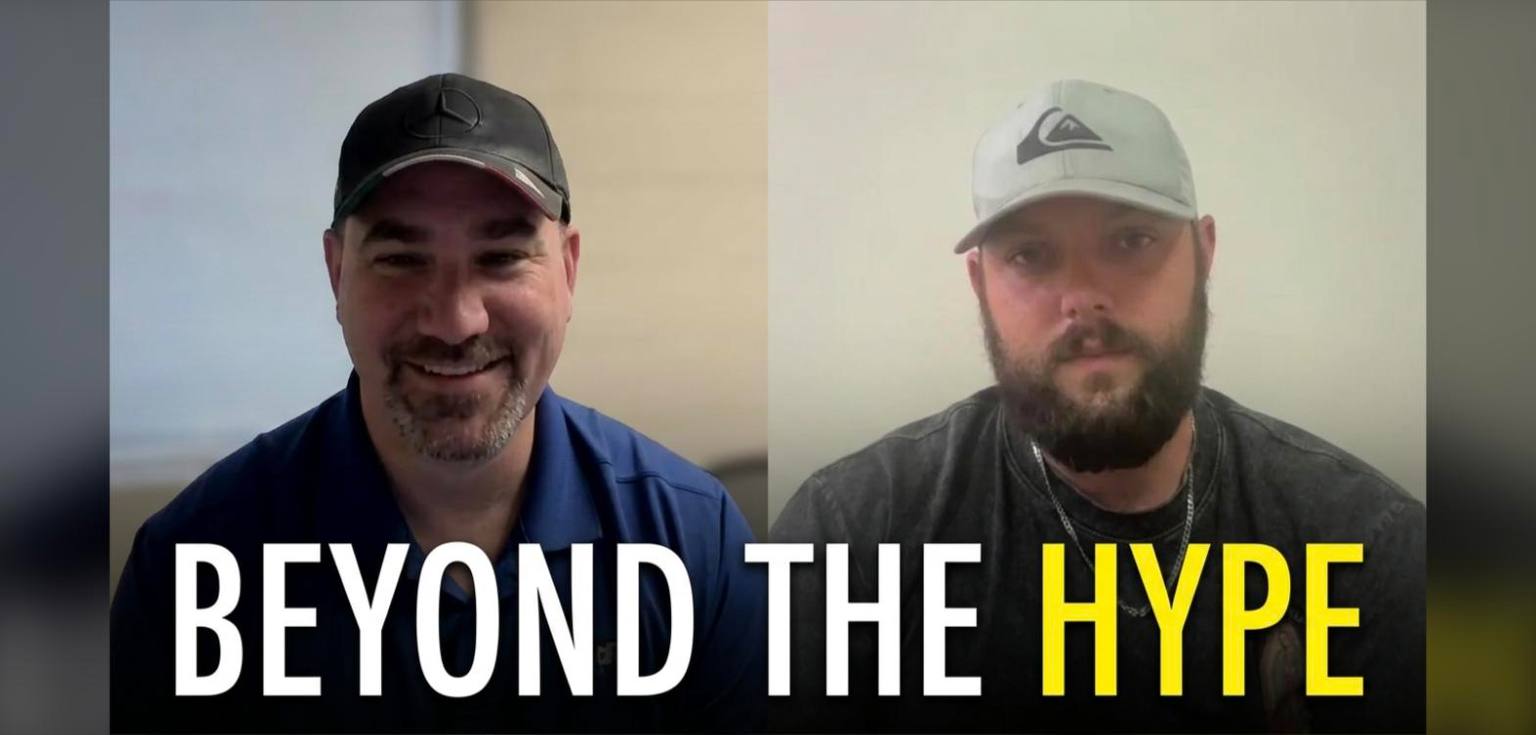
If you want to understand the liquidation business beyond the hype, this conversation is a great place to start. Ray Tautic of Excess for Less has built, broken, and rebuilt multiple models inside the industry, from pallet sales and bin stores to direct retail contracts, auctions, and even Whatnot.
What stands out most is not just how much he has done, but how quickly the liquidation world changes underneath you. Margins tighten. Programs shift. The product mix changes. And the businesses that survive are usually the ones that stay flexible, know their numbers, and avoid getting too attached to one perfect deal.
How Ray Got into Liquidation, and Why the First Model Failed
Ray's entry into liquidation started in 2020, when someone pitched him the idea of selling pallets during the pandemic. At first, he literally thought they meant wooden pallets. From there, he researched the industry, traveled to pallet resellers, and learned from people already doing the work.
He drove from Virginia to North Carolina to watch pallet resellers, waited in line overnight, and spent about six months building a business plan before launching his own operation.
But the first version of the business flopped.
The reason was simple. There was no market education in Virginia yet. On paper, no competition sounds great. In practice, it can mean there is also no customer understanding.
Ray opened a warehouse with eight truckloads of inventory and sold only eight pallets in the first week.
That kind of experience changes how you think about liquidation. A good product is not enough. Customers have to understand what a pallet is, what condition the items are in, and why buying in bulk makes sense.
Ray adapted quickly by opening the pallets, selling individual items, and turning the warehouse into a discount store that also offered pallets. That pivot created the foundation for what came next.
Why Bin Stores Worked, and Why Location Still Mattered
About a year later, Ray saw the bin store model gaining traction and decided to test it. He started small, using pallet collars and 18 bins.
The idea was not just to sell more products. The bins were also a marketing tool designed to bring people into the store. That strategy worked. Customers came in for the bins, then bought pallet inventory and retail items at higher margins. The bin store was not just a standalone format. It was a traffic driver for the rest of the business.
But success came with a problem many operators recognize too late. The building matters as much as the model.
Ray's first location had almost no parking. The warehouse technically had six spaces, but the store was drawing crowds that lined up along a busy road. Police got involved, and the space was not properly set up for the retail traffic it was seeing.
Liquidation businesses often grow faster than their real estate can support.
Ray eventually moved into a proper retail location and opened a full bin store there. That became the long-term home for the model.
The lesson is important. A bin store can be a strong entry point, but only if you treat it as part of a broader business strategy. It is not just about putting cheap products in bins. It is about traffic, customer education, margins, parking, zoning, and operational fit.
The Real Risk in Direct Contracts
One of the biggest misconceptions in liquidation is that direct contracts are always better than buying from brokers or middlemen. Many new operators want to go direct because they assume it means better pricing and more control.
Ray has direct experience with contracts involving Amazon, Target, and Walmart. His warning is clear. Direct access comes with direct-level problems.
Here's what many buyers do not realize:
- You may have to put significant money down upfront.
- That money can remain tied up while you wait.
- Manifests may be delayed, incomplete, or inaccurate.
- You may be responsible for loads before you know exactly what is in them.
- Contracts can be short-term, sometimes lasting only a year.
That last point is especially dangerous. If you sign a long warehouse lease based on a contract that might disappear within a year, you could be left with enormous overhead and no product flow.
The biggest operational pain points include:
- Seasonality. Q4 and Q1 can bring heavier product flow, while Q2 and Q3 may feel like a drought.
- Manifest delays. Product can arrive before the paperwork needed to process it correctly.
- Retailer inconsistency. One facility may be heavy in clothing while another is full of food, furniture, or home goods.
- Margin compression. Buyers want lower prices, but the seller still has to absorb the risk.
- Storage pressure. Inventory can build faster than your team can process or sell it.
Instead of trying to own every layer of the supply chain, Ray recommends that some operators work with contract holders on full sites. This can provide more consistent inventory without taking on every risk associated with being direct.
What the Industry Gets Wrong About Better Inventory
A recurring theme in the conversation was that people often romanticize the best parts of liquidation while ignoring the hardest parts.
Everyone loves the good stuff. iPads, vacuums, electronics, high-value shelf pulls.
But the real money is often made in the leftovers, the inventory that is harder to move and easier to underestimate. Every truck has a portion that is easy to sell. But the profit often lives in the products other buyers avoid. If you cannot sell the difficult inventory, you may lose money on the entire truck.
Instead of chasing the products everyone wants, it can be smarter to focus on categories such as:
- Clothing lots
- Cabinets
- Seasonal leftovers
- Mixed closeouts
- Furniture
- Unusual products that require the right buyer
The market rewards people who can solve problems. If you can take inventory that others struggle with and turn it into cash, you create a real competitive advantage.
That is one reason Ray has explored auction houses and niche channels. These outlets can offer more scalable ways to move inventory, especially when a category becomes crowded.
Why Whatnot Looked Promising, and Why It Became a Trap
Whatnot appeared to be the next big opportunity for many liquidation operators. At first glance, it made sense. Faster cash flow, direct customer interaction, and a way to move products without a traditional storefront.
Ray went all in.
He and his team eventually scaled to around 25 full-time employees and ran multiple channels, including general merchandise, food, and candy. They had a large following and plenty of inventory.
But the hidden costs were significant. Live-selling platforms can involve substantial expenses for:
- Product preparation
- Packing and shipping
- Giveaways and incentives
- Customer support
- Cancellations and refunds
- Lost or misrouted products
- Testing and processing
- Listing and selling
- Managing customer messages
That last category is easy to underestimate. Ray's team had hundreds of thousands of followers, but still spent hours every day handling customer questions and complaints. The business looked busy, which can feel like success. But busy does not always mean profitable.
Then came the category problem. Candy was profitable in September and October, right before Halloween. But the same box that sold for $40 to $50 in the fall was selling for around $8 in January and February. That is a dramatic swing, especially after labor, shipping, and processing costs.
Whatnot worked better for niche products with loyal audiences and less competition. But broad liquidation categories such as general merchandise, cosmetics, and everyday products were much harder to make profitable.
The takeaway is simple. A live-selling platform may look like a shortcut, but it can quickly become a labor-heavy business with thin margins.
The Biggest Lesson: Know Your Lane and Protect Your Capital
If there was one message running through the entire conversation, it was this: do not get too attached to one business model.
Ray and Zac both discussed how easy it is to get caught up in growth, volume, and momentum. But liquidation rewards discipline more than hype.
The companies that survive typically do a few things well:
- They know their numbers.
- They understand which products they can actually move.
- They avoid overcommitting to one contract.
- They monitor labor and storage costs.
- They stay flexible when programs change.
- They reinvest profits wisely.
Zac explained that his team treated liquidation as a capital engine rather than the final destination. They used profits to buy real estate instead of assuming that the liquidation business itself would remain stable forever.
Liquidation can create fast cash, but it is not always a stable long-term moat. Programs change. Retailers improve their recovery methods. Margins shrink. A profitable product today may be a poor opportunity tomorrow.
If you are in this space, or thinking about getting started, ask yourself:
- What do I actually do better than other sellers?
- Which inventory is the best fit for my business?
- How much risk am I carrying in overhead?
- If this program ended next quarter, would I still be okay?
- Do I know my true profit after labor, shipping, storage, refunds, and processing?
That kind of thinking helps operators survive in a volatile industry.
Frequently Asked Questions
Is liquidation still a good business to get into?
Yes, but only if you understand that it is a margin business with real operational risk. The opportunity is still there, but easy money gets competed away quickly.
Are direct contracts always better than buying from brokers?
Not always. Direct contracts may offer lower pricing, but they also come with more capital tied up, greater responsibility, and more exposure to manifest issues, seasonality, and storage costs.
Why do bin stores struggle over time?
Bin stores can work well, but margins often shrink. The location also has to support customer traffic. Parking, zoning, and customer flow matter just as much as product selection.
Why did Whatnot work for some sellers and not others?
It tends to work better for niche products with loyal audiences and less saturation. Broad liquidation categories can be more difficult because labor, shipping, customer service, and returns reduce margins.
What should new liquidation sellers focus on first?
Start with one lane, one buyer type, and one product category you can understand deeply. The faster you identify what actually makes money, the better your chances of building a durable business.
Final Takeaway
Ray Tautic's liquidation journey shows that success in this industry is not just about finding cheap inventory. It is about understanding customers, managing risk, protecting cash flow, and adapting before market changes force you to.
The best opportunity is not always the biggest contract or the hottest product. Sometimes it is the difficult inventory everyone else overlooks, provided you know how to sell it.
No comments yet. Be the first to share your thoughts!