Article
How to Start a Small Reselling Business Without Getting Buried in Inventory
Dawn Jensen Sorrows turned a side hustle into a full-time income. The lessons are mostly about buying less, not more.
 Zac Montgomery

How to Start a Small Reselling Business Without Getting Buried in Inventory
Dawn Jensen Sorrows turned a side hustle into a full-time income. The lessons are mostly about buying less, not more.
If you're trying to grow a reselling business, it's easy to think the next big step is buying truckloads, expanding space, and scaling fast. But for many sellers, the real win is the opposite. Staying small enough to stay nimble, profitable, and sane.
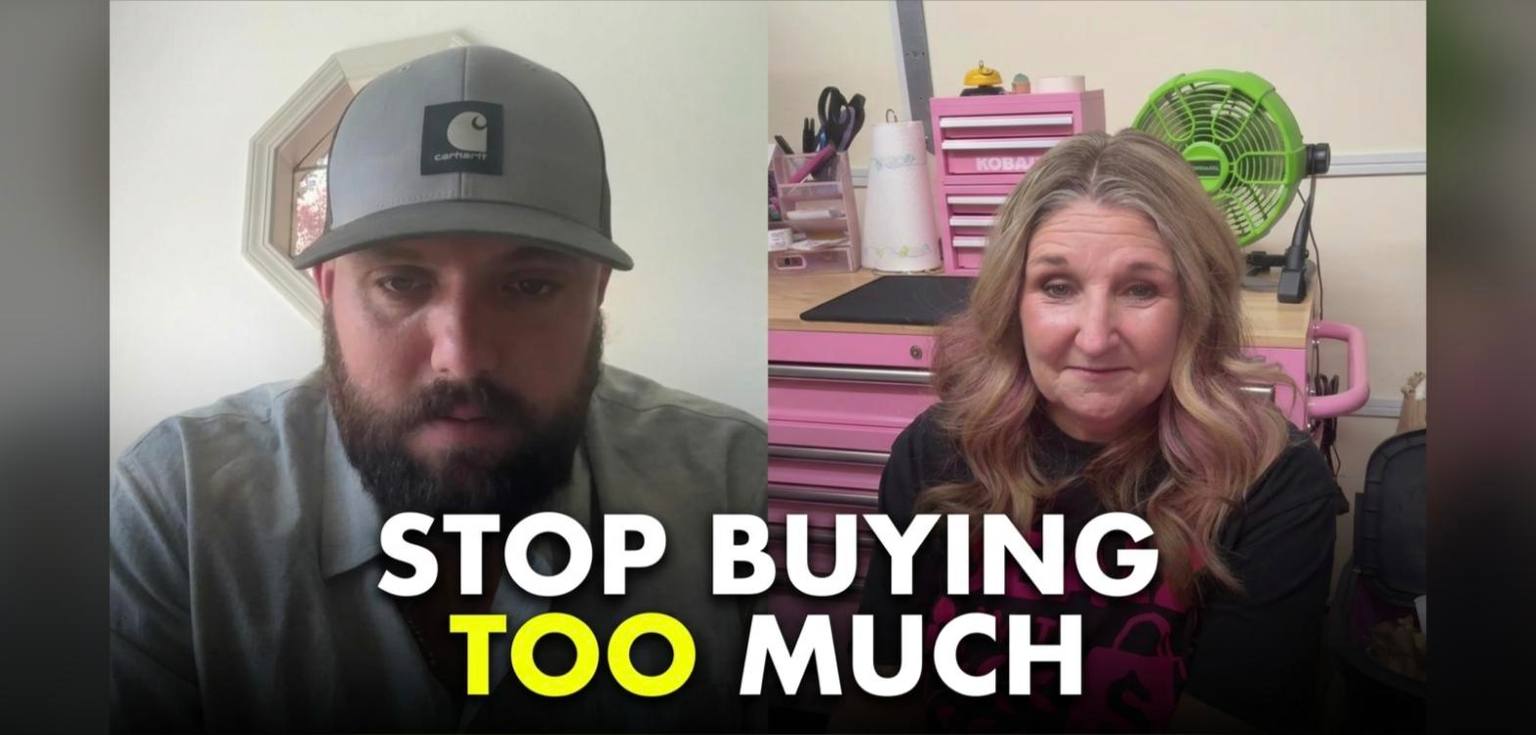
That came through clearly in this conversation with Dawn Jensen Sorrows, a newer reseller who turned a side hustle into a full-time business after being laid off, and with Zac, who has spent years learning the hard way what happens when inventory gets too big too fast.
Why Smaller Can Be Smarter in Reselling
A lot of new resellers assume success means more pallets, more space, and more inventory. But bigger isn't always better. One of the strongest themes in this conversation was that growth creates new problems just as fast as it creates new opportunities.
Dawn described her goal as simple. She wants a small location so she can get pallets out of her garage and receive a truckload when the time is right, but she doesn't want to become a massive operation. That mindset matters. When your business is still young, the goal isn't to look impressive. It's to build something that actually works.
Zac made the case for staying smaller for as long as possible. When you buy truckloads, you don't just get more product. You also get more bad product, more slow-moving items, and more risk tied up in one purchase. He put it plainly: a truckload might be exciting, but it can also mean 26 pallets of problems instead of a few manageable pallets you can cherry-pick.
The real takeaway here is that inventory is not the same as cash. Until something sells, it isn't profit. It's just storage, risk, and time.
The hidden cost of more
When resellers grow too quickly, they often confuse movement with margin. A pallet may look like it's making money because items are selling, but if your profits keep getting absorbed by new inventory, shipping, storage, and labor, you may not actually be ahead.
Zac shared a story about running huge volumes of inventory and constantly putting all the money back into the next load. On paper, the business looked strong. In reality, it was hard to feel any of the gains. That's a trap many resellers fall into.
If you're just starting out, think less about how much product you can hold and more about how much product you can actually move.
How Dawn Built a Full-Time Business from a Side Hustle
Dawn's story is a powerful example of how reselling can become more than a business model. She started in reselling after losing her mother and wanting something to keep her busy and focused. What began as a side hustle eventually turned into a full-time income stream after she was laid off from a logistics job she'd held for more than 10 years.
That transition wasn't easy, but it was real. She didn't jump into reselling because it looked trendy. She got pushed into a major life change and then chose to bet on herself.
What stands out most is how quickly her business became personal. Her family stepped in, friends helped with lives, and her customers became a kind of extended family. That kind of support doesn't just make the work easier. It makes the business sustainable.
Dawn also shared something that matters for anyone thinking about reselling full time. She was scared, but she gave it six months to work. That timeframe matters. Too many people quit before the business has time to stabilize.
Her update was encouraging. After months of work, she reached the point where she could pay her bills and, more recently, pay herself a paycheck.
What made the difference for her
Dawn didn't just rely on luck. She built around three things that made the transition possible:
- Consistency. She kept showing up, even while figuring things out.
- Community. Her customers and family became part of the business.
- Willingness to learn. She asked questions, watched videos, and reached out for advice.
That last one is huge. In liquidation and reselling, you learn faster when you're willing to be wrong in public and adjust quickly.
The Inventory Mistakes New Resellers Make
If there's one area where Dawn and Zac overlapped the most, it's inventory mistakes. Dawn openly talked about buying too much of the wrong kind of product, especially when she was still learning how liquidation works.
One of the biggest early lessons? Not everything is new. Liquidation often includes returns, open-box items, and overstock. If you're expecting every pallet to be pristine, you're going to get burned.
Dawn lost money on a bedding pallet and a large appliance pallet. In one case, the product looked stronger than it really was. A $225 comforter wasn't easy to move when the customer base was looking for far cheaper options. That's an important lesson for any reseller: MSRP doesn't equal resale value.
Zac reinforced this point by explaining that the market decides what something is worth, not the sticker on the box. If your customers are bargain hunters, they aren't comparing your price to retail. They're comparing it to the cheapest acceptable option they can find.
Avoiding category overload
One especially useful lesson from Dawn was about buying too much of one category. She bought a health and beauty pallet with around 2,000 pieces and quickly realized it was too much of the same thing for her audience.
That doesn't mean health and beauty is a bad category. She said shampoos, lotions, and body wash sell well for her. The problem was the volume and repetition. When you're showing the same type of item over and over, customers tune out.
If you're new, ask yourself:
- Can my audience actually use this product?
- Do I have enough buyers for this much of it?
- Will it move fast enough to justify the storage space?
- Am I buying because it's a good deal, or because it looks impressive?
Those questions can save you from expensive lessons.
What to do when items don't sell
Dawn's best solution was simple and effective. She created What's in the Bag Wednesday, where she bundles slow movers with at least one stronger item and a golden-ticket prize. She only sells 10 at a time, and they've been selling out.
That's smart liquidation inside a liquidation business. Instead of letting product sit and pile up, she found a structured way to move dead stock while still keeping the show fun. That matters because dead inventory has a way of multiplying. The longer it sits, the harder it is to deal with.
Zac's version of the same advice was even simpler. Don't let items sit forever. If something hasn't sold after multiple show attempts, move it into a different format, discount it, or bundle it up.
How to Track Inventory Without Overcomplicating It
Dawn asked one of the most practical questions in the whole conversation. How do you keep up with inventory without turning your whole business into paperwork?
The short answer is that you probably don't need a fancy system yet.
Zac's advice was to keep it simple. For a smaller operation, a Google Sheet can do a lot of heavy lifting. What matters most is tracking:
- what you bought
- how much you paid
- when you bought it
- what you sold it for
- when it sold
That gives you enough data to start seeing patterns. You can figure out which categories move best, which suppliers are worth using, and which product types are costing you time.
He also pointed out something important. If you spend too much time inventorying every item, you may be losing the bigger battle. At a small scale, the goal is not perfect record-keeping. The goal is making enough profit to keep going.
Keep the system consistent
If you do decide to use scanning or software later, the most important part isn't the tool. It's the consistency. Everyone on your team should use the same method for pricing and tracking.
Zac mentioned that in larger operations, inconsistency becomes expensive fast. Different people pricing the same kind of item in different ways can distort your numbers and make it harder to know what is actually working.
For now, though, Dawn's stage of business probably calls for something leaner: a spreadsheet, a simple way to mark categories, a basic rule for when to discount or bundle, and a weekly review of what moved and what didn't.
The Bigger Lesson: Reselling Works Best When You Stay Honest
One of the strongest ideas in this conversation was honesty, about inventory, profit, and effort. It's easy to convince yourself that a pallet was profitable because you sold a lot of items. But if your shipping costs were high, your sell-through was slow, or you had too much leftover inventory, the numbers can tell a different story.
Dawn was refreshingly honest about her losses. She knew some pallets weren't right for her. She knew when she had too much of a category. And she knew that her business worked best when she stayed flexible.
Zac's warning was the same one he has learned over years of buying, selling, and liquidating. Don't let the business lie to you. If you're not tracking what you spend and what you actually sell for, it's too easy to fake success.
This is where resellers win or lose. Not in the moment of buying, but in the discipline of moving product, learning from mistakes, and adjusting fast.
A practical mindset for new resellers
- Start smaller than you think you need to
- Buy product you can actually move
- Track enough data to learn from mistakes
- Bundle or discount slow stock quickly
- Build around customers, not just inventory
That approach may not feel flashy, but it is how a lot of sustainable reselling businesses are built.
Frequently Asked Questions
How do I know if a pallet is too big for my business?
If you can't reasonably move the inventory in a short period of time, it's probably too big. A lot of new resellers overestimate demand and underestimate storage problems.
Should I buy truckloads when I'm starting out?
Usually not. Truckloads create more risk, more slow-moving inventory, and more pressure. Starting with smaller, manageable lots gives you more room to learn.
What should I do with items that don't sell?
Bundle them, discount them, or turn them into mystery bags like Dawn's What's in the Bag Wednesday. The key is not letting dead inventory sit forever.
Do I need expensive software to track inventory?
Not at first. A Google Sheet is often enough for small sellers. What matters most is tracking what you bought, what you sold it for, and how long it took to move.
What category is best for live selling?
It depends on your audience. Clothing, health and beauty, home goods, and small appliances can all work, but only if the product matches what your customers actually want to buy.
No comments yet. Be the first to share your thoughts!